Common symptoms
- long black screen
- slow session load
- desktop unusable for several minutes
- apps open by themselves
- disk at 100% after sign-in
Possible causes
The same symptom can have several origins. The most common causes are:
- startup programs
- slow services
- saturated disk
- heavy user profile
- pending update
- antivirus scanning at startup
Why not ignore this issue?
An issue that seems tolerable today can become more disruptive over time: wasted time, less protected data, weaker security, or a failure at the wrong moment.
- startup getting worse each week
- session errors
- temporary profile
- long black screen
What you can check without taking risks
- wait for loading to finish before clicking everywhere
- disable only clearly useless apps
- check disk space
- note software that launches
- avoid touching critical services
Before heavy system changes, back up your important files. PowerIX prioritizes diagnostics and user-approved actions.
Signals that should prompt a quick response
- startup getting worse each week
- session errors
- temporary profile
- long black screen
How PowerIX @ Home helps diagnose
PowerIX @ Home analyzes startup, performance, disk, and services to identify what slows sign-in.
See the related PowerIX diagnostic: Windows startup diagnostic: programs and slowdowns →
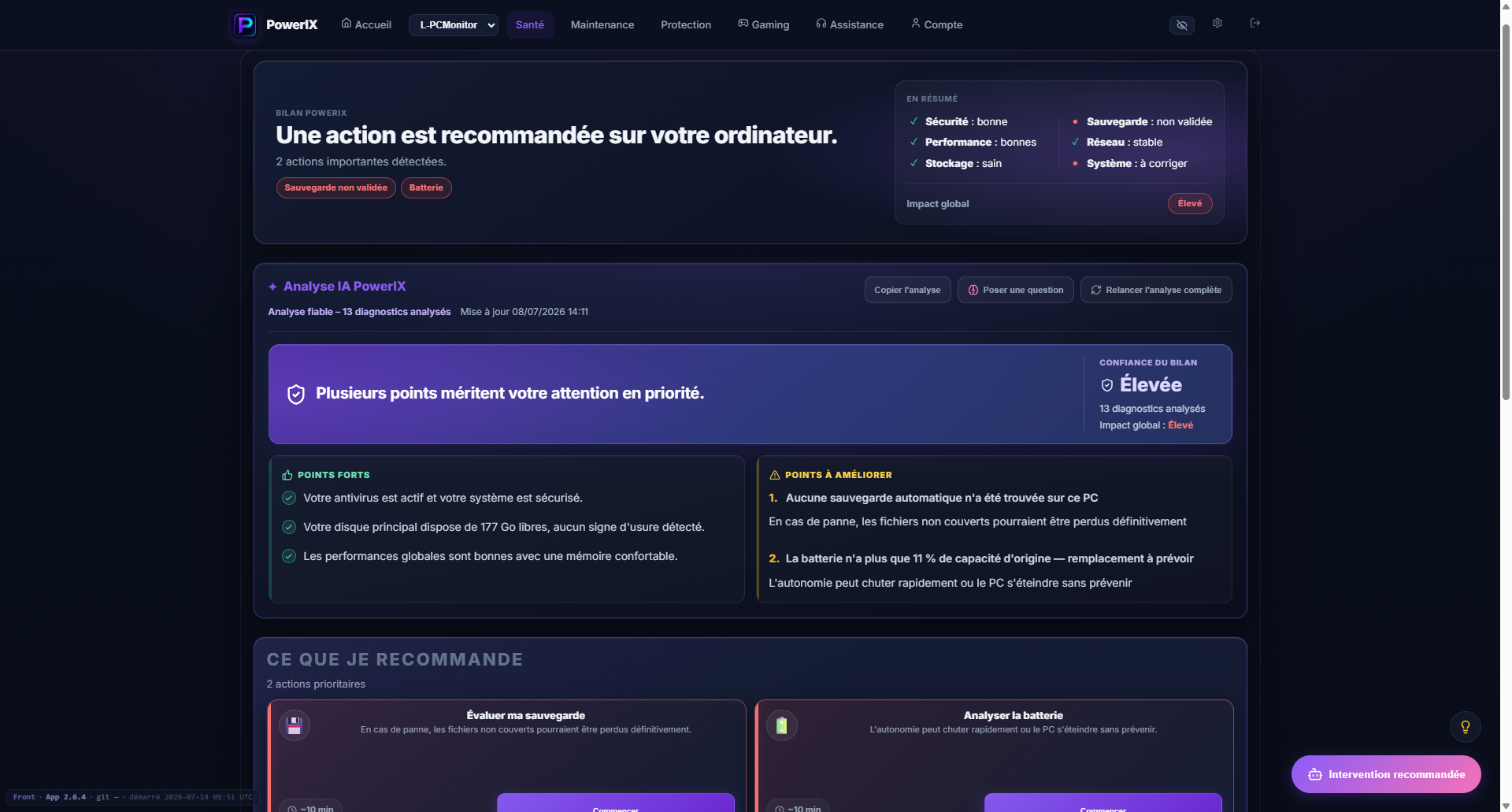
PowerIX diagnostic example
After signup, PowerIX shows your PC status, items to watch, and priority actions in plain language.
- PC health score;
- important issues highlighted;
- AI summary to understand what to do.

More than 20 years of experience in IT, operations, monitoring, and user support. Creator of PowerIX @ Home.
Frequently asked questions
Why is Windows slow right after sign-in?
Startup programs, antivirus, OneDrive, Teams, updates, or a slow disk can saturate the PC for a few minutes.
Can I disable everything at startup?
No. Some entries are useful for security, drivers, or sync. Sort carefully.